




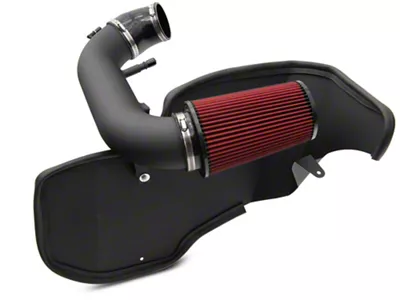
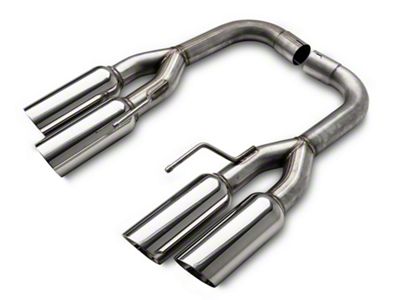
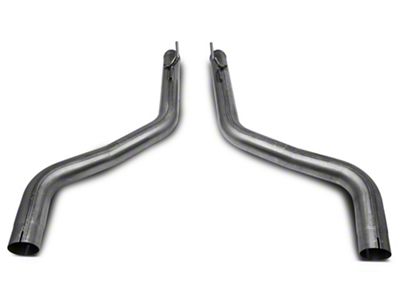
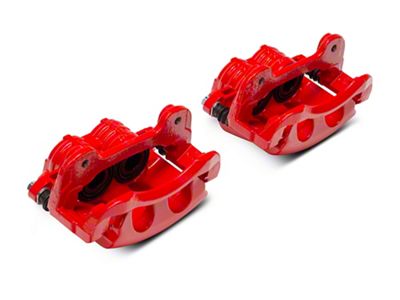
In December of 2004, C&L became the first company to introduce a "complete" air intake assembly for the then-brand-new 2005 GT Mustang vehicles. We realized early on that in order to maximize performance on these vehicles with a larger aftermarket air intake assembly, some form of tuning (or electronic adjustment) would be necessary to maintain a proper air/fuel ratio. We tried numerous mass airflow designs, including some that maintained the SAME diameter as the stock (80mm) mass airflow body that is integrated into factory airbox assembly, only to find that the air/fuel ratio was not acceptable. Even when testing an assembly that maintained the
EXACT SAME dimensions (both in diameter and sensor depth), we found that the air/fuel ratio would end up in the
14:1 range. This condition will continue to go leaner as you increase the MAF housing diameter. An air/fuel ratio in this range, although not "dangerous", will produce LESS power than an intake assembly that maintains an air/fuel ratio in the 12.9-13.3:1 range, EVEN IF it flows less air (to a certain extent). Once your air/fuel ratio goes numerically higher than 13.4:1 in the upper RPMs at wide open throttle, you will see a drop in horsepower. The chart to the left shows the actual air/fuel ratio from a test of an aftermarket air intake assembly where the mass airflow dimensions are EXACTLY the same as the stock factory
assembly.
ANY aftermarket air intake assembly that was developed by simply using the "stock MAF diameter" as a guide will be subject to the same lean air/fuel ratio as illustrated in the above graph. A system made this way will not throw "lean codes" or "check engine lights" during normal operation, but a quick trip to the dyno will show that you are running leaner than ideal. Be sure to make note of the power gains in this graph. You will notice that it is only making 9.47 more HP than the stock assembly at 5,500 RPM. We have heard many reports from customers who own "no tune" style intakes that have gone to the dyno and have reported that these assemblies have typically shown a 9-11 HP gain. The ONLY way that an aftermarket air intake assembly for these vehicles will maintain a "proper" air/fuel ratio at wide open throttle is through actually REDUCING the size of the mass airflow section to increase the velocity of airflow throughout mass air section of the intake.
When we finalized the design of our "Street" intake assembly in December of 2004, we decided to go with a MAF diameter that was a perfect match for the inside diameter of our cast aluminum inlet pipe, which ended up being 83mm. We were convinced that offering an aftermarket intake assembly that utilizes a mass airflow section that is actually SMALLER than the stock unit would be a "hard sell", and is definitely NOT the way to maximize both horsepower and airflow through the system. By offering our complete intake assembly with a Diablosport Predator tuner that is pre-loaded with all of the necessary tuning adjustments, we provided enthusiasts with a "no compromises" package that delivers maximum performance. The benefits of the tuning adjustments will typically add about 10 more rear wheel horsepower over the gains that the air intake alone will produce, given an ideal air/fuel ratio.
Within a year after we first started selling the "Street" intake assembly, other companies started selling intakes that "didn't require a tune". We received MANY reports from customers and other businesses who offer dyno tuning services, and the results were mixed. It came as no surprise to us to find that the (very) few intakes sold that appeared to work properly (without tuning) were being sold by companies who did NOT rate the size or flow of their assembly. Although we could have originally produced an intake assembly that did not require a tune, it was our belief that customers who desire the MAXIMUM possible performance will want to re-program their computer to enjoy the benefits which include: crisper throttle response, increased timing and the option to adjust for other vehicle modifications. After all, one of the FIRST questions that ANYONE asks when a new intake assembly is released
is: How BIG is it???
We feel that the EXCELLENT reputation that our 2005+ intakes has earned is well deserved, but we also acknowledge that there is a certain percentage of customers who do not want to upgrade their stock computer programming (at least not initially). We feel that we have come up with the ideal solution for these customers, and they will still have the option available to generate maximum performance through tuning, should they decide to do other upgrades in the future.
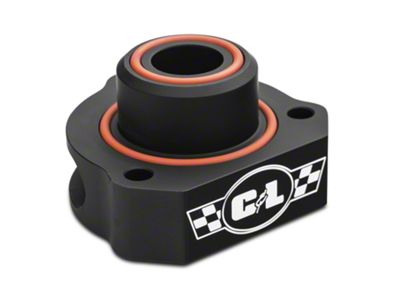
After much testing, we have developed a "no tune option" to make our "Street" intake assembly more flexible and accessible everyone. It does not matter if you are looking for a "casual" modification or if you are looking for something that you can grow into with future changes and tuning. As a "basic" bolt-on, our "Street" intake can now be installed WITHOUT PROGRAMMING using the "no tune option" insert, and when you are ready to generate maximum performance with tuning, you simply remove the "no tune insert" and use the regular C&L "Street" intake tuning as supported by our CL7140 Predator tuner or any of the MANY reputable tuners who support our intakes and develop custom tunes for their customers.
Although the use of the "no tune option" DOES reduce flow through the assembly, you are still able to get MOST of the performance gain available from an aftermarket air intake assembly, especially if the vehicle is basically stock. As more modifications are made to the vehicle, then the need to tune the computer and remove the "no tune insert" will become greater. The following graph shows the ACTUAL maximum airflow capacity of each of the following intake assemblies:
1. Stock Assembly
2. C&L "Street" intake with "no tune option"
3. C&L "Street" intake assembly standard (83mm)
4. C&L "Racer" intake assembly (95mm)
This chart was generated using our fully computerized custom flowbench, which has exclusive features and a capacity that is far greater than typical commercially available flow stands. We use this tool to test every aspect of our new air intake products, and this gives us a distinct advantage over many other aftermarket companies that market air intake assemblies. In fact, you would be surprised to learn that many (if not most) "air intake companies" do not even own a flow stand of any kind.
You will notice that with the "no tune insert" installed in the 83mm MAF housing, maximum airflow drops from 1,003 CFM down to 885 CFM, which is a reduction of about 13% airflow. Since the factory air intake assembly is only capable of flowing 550 CFM, the "Street" intake with the "no tune option" still flows nearly 61% MORE than the stock assembly, which is enough to deliver a nice performance gain. The key to making the "no tune option" work while still maximizing airflow is not to simply reduce the size of the MAF body, but rather CONDITIONING the airflow for the appropriate reading without restricting the airflow throughout the assembly. Through many hours of testing on the dyno, flowbench and in the "real world", we feel that we have designed the ideal solution. The following dyno graphs show testing of the C&L "Street" intake assembly with the "no tune option" installed on two different 2005 Mustang GT
vehicles:
The first graph shows the "before and after" results on a totally stock
2005 GT Mustang. The wide open throttle air/fuel ratio hovers steady around 13.0:1 throughout the entire upper RPM range. The second graph is testing another 2005 GT that was already equipped with a set of headers and an axle-back aftermarket exhaust system, and although the air/fuel ratio is "slightly" leaner, it held within the ideal range all the way to redline. You will notice that BOTH vehicles received a performance gain of between 17-19 rear wheel horsepower in the upper RPM's. This level of increase is at or just slightly under the same performance as our "Street" intake assembly with a typical "87 octane" tune.
Another interesting thing is that the "modified" Mustang actually made slightly LESS power in the base pulls than the "stock" GT.
This is most likely due to two factors. 1) The "stock" vehicle in this test made more HP (unmodified) than any other 2005 GT that we have tested. Most 3 valve Mustangs on this same dyno will typically put down anywhere from
258 to 262 HP. 2) The exhaust modifications that were made to the "modified" car do not appear to make any significant improvements. It is possible that this vehicle would have made just under 260 HP "totally stock" on this same dyno, and the exhaust changes probably only netted the owner 5-7 additional horsepower.
With the introduction of our "no tune option" for the C&L "Street"
intake assembly, we feel that we have opened up many new possibilities for our customers. Those who wanted to purchase a C&L intake for their
2005+ Mustang but did not want to re-flash their computer will now have
that option. We are now shipping the "no tune option" with ALL of our C&L "Street" intake assemblies at no additional charge. For those customers who already have our "Street" system and would like to purchase the no-tune insert for your system, it is available separately for $32, which is the same price that we have always charged for our traditional calibration tubes for the older vehicle applications.
We hope that this information has given you all of the technical details necessary in order to fully understand the function of this new upgrade to our highly successful "Street" intake assembly. If you have any further questions or need any assistance, please feel free to contact us or any one of our authorized distributors for more information.